
Owning a commercial mobile crane is one of the single most potent economic levers available to an independent equipment owner or industrial entrepreneur. Unlike saturated service sectors with low barriers to entry, the heavy hydraulic lifting sector requires substantial initial capital, highly specialized technical mastery, and rigorous safety compliance. This built-in economic moat ensures that individuals who command the hook can bypass the race-to-the-bottom pricing wars that plague general labor trades. Instead, an independent crane operator is positioned to demand premium hourly rental rates, substantial fuel surcharges, and high-ticket project minimums from the moment their outriggers touch the dirt.
However, many newly minted owner-operators make the fundamental mistake of thinking like a single-discipline subcontractor, tying their expensive machinery exclusively to a single sector like residential home construction or simple automotive towing. A commercial lifting asset is not a single-purpose tool; it is an incredibly versatile, highly mobile logistics platform capable of serving dozens of diverse industrial verticals. To maximize the return on your capital investment and build a resilient, recession-proof business, you must diversify your operational footprint across multiple economic sectors. When a single segment of the market slows down, your business can seamlessly pivot from high-elevation commercial roofing projects to agricultural timber framing, industrial steel erections, or multi-story interior supply line logistics. This comprehensive guide provides an operational roadmap for converting a single hydraulic crane into a highly diversified, asset-backed service empire that dominates your local market.
Capitalizing on Heavy Industrial Infrastructure Lift Cycles
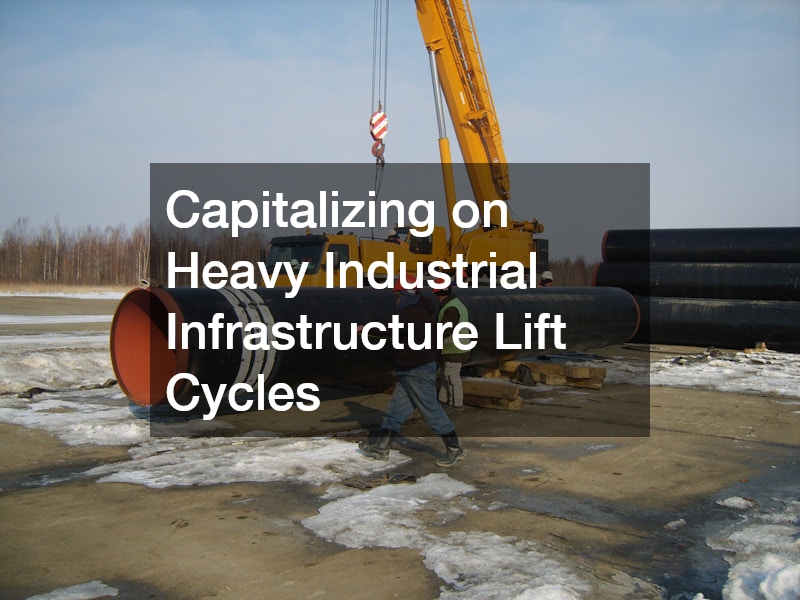
The commercial and industrial infrastructure sector offers a continuous, highly lucrative stream of high-ticket lifting projects for a well-kept crane service company. Large-scale warehouse complexes, corporate business parks, and retail centers require constant structural upkeep, equipment upgrades, and mechanical system overhauls that cannot be executed without specialized hydraulic lifting power. By aligning your business directly with premium mechanical, electrical, and structural engineering firms, you can capture highly lucrative recurring subcontracting revenue tracks.
One of the most dependable revenue generators in this sector involves high-elevation building renovations and commercial roof asset replacements. When massive corporate facilities undergo structural modernization, contractors must lift hundreds of tons of heavy single-ply membrane rolls, rigid insulation bundles, and heavy structural decking panels to the roofline. To secure these recurring contracts, you must establish an elite field reputation and build deep professional relationships with the best commercial roofing contractor in your geographic region, ensuring your rig is named as the exclusive lifting provider on all their major corporate bids. Furthermore, keeping your crane running continuously on these complex industrial job sites requires a bulletproof logistical support network. You must maintain active commercial credit lines with a premier, fully stocked local contractor supply house to guarantee that your crew has immediate, daily access to certified wire-rope slings, high-capacity forged shackles, spreader bars, and specialized material cages that meet absolute OSHA compliance parameters.
- Establish non-negotiable job site minimums: Never move your heavy machinery onto an industrial site without charging an ironclad four-to-eight-hour portal-to-portal minimum fee to safeguard your operational profit margins against unexpected project management delays.
- Execute rigorous pre-lift rigging calculations: Before lifting any load from its staging truck bed, calculate the exact weight of the material, include the weight of your rigging blocks, account for the current boom angle, and verify that the load sits comfortably within your crane’s certified load chart.
- Maintain dedicated multi-channel radio communication loops: Equip your spotters and crane operators with specialized, noise-canceling industrial radio headsets to ensure absolute, uninterrupted vocal contact during blind lifts over high parapet walls and building corners.
Dominating the Post-and-Beam and Agricultural Framing Markets
While heavy industrial zones offer spectacular commercial revenue tracks, the rural and agricultural sectors present an entirely independent, highly profitable market sector for a mobile crane service. Modern agricultural infrastructure and high-end rural estates rely heavily on massive post-and-beam assemblies, complex clear-span timber trusses, and pre-engineered wooden column arrays. Because these structural elements are far too heavy and delicate to be safely hoisted with standard farm machinery or handheld winches, developers depend completely on mobile cranes to accelerate their assembly timelines.
By bringing a highly agile, all-terrain mobile crane directly into these rural sectors, you can instantly revolutionize the local construction workflow. A single operator utilizing an advanced hydraulic crane can lift, position, and pin a comprehensive series of multi-ton timber trusses in a single afternoon, a process that would otherwise require an entire framing crew several days of highly dangerous manual climbing. To capture this steady market share, your sales team should form direct joint-venture partnerships with every premier regional barn construction company that needs to streamline its field assembly speeds and mitigate its worker compensation liabilities. By embedding your lifting services directly into their standard framing workflows, you become the preferred, outsourced lifting asset utilized by professional pole barn builders who require rapid, precise alignments of massive structural timbers across rural construction envelopes.
- Deploy specialized protective rigging gear: Always utilize soft, high-capacity nylon web slings or round slings rather than steel chains when hoisting heavy structural wood to prevent gouging, splintering, or marring the finished visual faces of architectural timbers.
- Control rotational wind drift with heavy taglines: Always attach long, high-durability braided nylon taglines to both ends of long timber bundles or wide pre-fabricated truss units, allowing ground spotters to easily steer the load under exposed, high-wind rural conditions.
- Optimize outrigger pad displacement on unpaved surfaces: When setting up your crane on raw agricultural fields, soft grass, or uncompacted gravel roads, utilize massive timber mats or engineered outrigger pads to distribute the machine’s immense weight over a broad footprint and prevent sinking.
Integrating With Heavy Site Preparation and Steel Fabrication Tracks
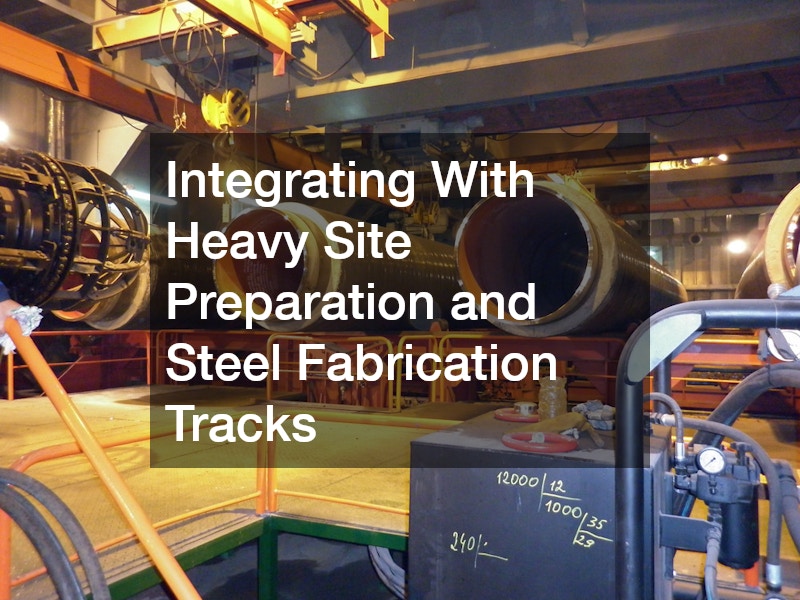
To maximize your market penetration, your crane service business should build deep operational connections with early-phase infrastructure preparation teams and industrial steel erectors. A construction project’s lifecycle operates in distinct, predictable phases, and by positioning your crane at the intersection of subsurface earthmoving and high-elevation framing, you can ensure your machinery stays fully booked throughout the entire calendar year.
The earliest phases of major commercial developments are dominated by mass earthmoving and underground utility placement. During this stage, you can cross-market your hydraulic lifting capacity directly to a leading local excavation company that needs to hoist heavy trench shields, deep-well dewatering pumps, and massive precast concrete stormwater culverts into deeply dug subterranean foundation paths. As the site transition moves from subsurface utilities to structural framing, your crane becomes the indispensable asset required by any elite custom metal building contractor in the region. Erecting industrial red-iron warehouses, manufacturing plants, and steel-truss retail hubs requires millimeter-level precision. Your crane operator must work in perfect synchronization with ground crews to swing massive structural I-beams, vertical steel columns, and heavy roof purlins into exact alignment, holding the immense metal loads steady while ironworkers bolt the connections together at extreme heights.
- Audit ground compaction engineering data: Before deploying your crane near deep open trenches or on newly filled dirt foundations, demand written soil compaction reports from the primary site engineer to guarantee the earth can withstand your maximum outrigger pressure.
- Integrate dual-axis digital leveling systems: Equip your crane chassis with precision electronic leveling instrumentation to ensure that the machine’s center of gravity remains perfectly perpendicular, eliminating the risk of structural boom twisting across uneven terrain.
- Implement strict drop-zone perimeters: Utilize bright, high-visibility safety tape and dedicated ground marshals to close off the entire physical drop zone beneath the active lift radius, ensuring that no unauthorized construction personnel enter the danger path during steel swinging blocks.
Expanding Operations Into Perimeter Security and Specialized Multi-Trade Assemblies
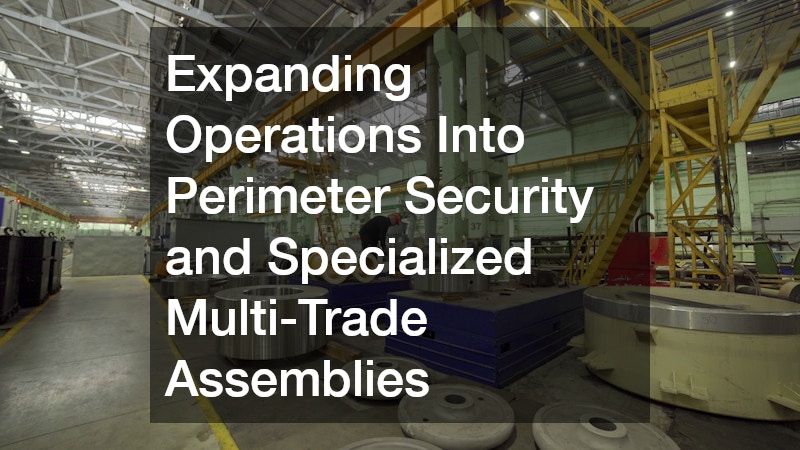
As your crane service enterprise grows, you can expand your revenue streams even further by targeting highly specialized, low-volume niches within the commercial perimeter security and high-end residential interior logistics sectors. These specialized trades often require handling extremely awkward, highly delicate, or heavily balanced architectural materials that completely overwhelm general construction telehandlers or standard forklifts.
One incredibly lucrative niche involves the installation of heavy, high-security automated perimeter containment networks and structural access systems for corporate compounds, military centers, and private gated estates. Managing the physical positioning of these massive iron or solid-steel structural elements requires an exceptional touch, as a single error can bend delicate mechanisms or destroy expensive electronic components. Your company can handle the heavy rigging and exact mechanical positioning required during a massive commercial gate installation, swinging multi-ton security barriers onto permanent concrete pylons with absolute ease. Simultaneously, you can market your crane’s vertical logistics capabilities to solve high-volume supply bottlenecks for premium interior finishing crews working on multi-story developments. By bypassing slow, cramped internal freight elevators, your crane can lift full pallets of delicate stone tiles, premium quartz slabs, and heavy sub-flooring elements directly through upper-level window openings for a major multi-family flooring installation, saving the client thousands of dollars in manual tracking labor.
- Utilize custom padded spreader bars: When lifting highly finished architectural ironwork or delicate interior quartz pallets, deploy custom-engineered spreader bars outfitted with non-marring rubber bumpers to completely prevent structural twisting or scratching during transit.
- Deploy remote-control hydraulic winches: Invest in advanced, remote-controlled micro-winch attachments that allow your operator to make micro-adjustments to the load’s placement from the ground level, ensuring flawless seating on permanent hinge pins.
- Coordinate close window-clearance pathways: When hoisting heavy finish materials directly through upper-level building windows, station a senior spotter inside the target room with a dedicated radio line to guide the boom tip safely away from the exterior facade.
Mitigating High-Asset Liabilities and Structuring Long-Term Legal Protection

Operating a business built entirely around heavy hydraulic machinery introduces an incredibly complex risk landscape that requires absolute, proactive legal mitigation and elite corporate asset protection. A single field accident, whether it is an outrigger collapse caused by hidden subterranean voids or a rigging failure due to unverified material weight data, can result in catastrophic public property damage, severe bodily injuries, and multi-million dollar tort actions that can instantly bankrupt an unshielded company.
To protect your heavy machinery investments and secure your family’s financial future, you must build an invincible corporate shield around your business operations. Your primary objective must be to divide your active business liabilities completely from your valuable physical machinery. This is achieved by forming a multi-tiered corporate layout where an independent equipment holding company owns the actual cranes, which it then leases down to a separate operational corporate entity that handles all the active field contracts. To ensure this complex equity web is perfectly executed and protected against shifting corporate laws, you must consult extensively with a highly seasoned estate planning attorney who can structure your business shares, capital equipment titles, and real estate holdings into ironclad, asset-protected trusts. Furthermore, you must work in tight connection with specialized insurance litigators to craft bulletproof jobsite liability waivers and extensive over-the-hook cargo coverage riders that fully immunize your personal wealth from field accident claims.
- Maintain comprehensive digital maintenance logs: Document every single daily pre-trip checklist, monthly hydraulic fluid analysis, and certified annual third-party crane inspection inside a secure, time-stamped digital database to instantly defeat any legal claims of negligent equipment upkeep.
- Mandate comprehensive site stability waivers: Require every single client or primary general contractor to sign a comprehensive, legally vetted site stability and underground utility waiver before your crane wheels ever cross onto their physical property line.
- Invest in comprehensive inland marine cargo insurance: Secure high-limit over-the-hook cargo insurance policies that specifically cover the full replacement cost of the client’s expensive machinery, generator units, or architectural assets while they are physically attached to your crane hook.
Building a highly profitable, resilient service enterprise around a commercial crane is an exceptionally powerful pathway to long-term industrial wealth. As detailed throughout this operational blueprint, transforming a single heavy machine into a highly scalable, multi-market logistics platform requires moving far past the limited mindset of a traditional, single-trade subcontractor. By learning to strategically deploy your lifting capacity across diverse commercial, agricultural, structural, and specialty interior sectors, you ensure that your corporate revenue streams remain consistently insulated against localized economic shifts or seasonal real estate slowdowns.
As you step forward to orchestrate your heavy equipment startup or expand your current crane fleet operations, commit to managing your industrial asset with absolute strategic clarity and a complete dedication to risk mitigation. Do not allow your expensive machinery to sit idle waiting for simple residential framing calls, do not compromise on certified high-quality rigging hardware, and never deploy your boom onto unverified soil without ironclad site waivers in place. Take decisive action to secure your market position this week: analyze the commercial roofing and steel fabrication bids in your target county, establish strong corporate lines with local equipment supply channels, outline clear joint-venture pathways with rural barn developers, and schedule a comprehensive protective structural evaluation with a specialized corporate asset attorney. By combining flawless mechanical execution and diverse market positioning with a bulletproof legal defense strategy today, you fully protect your capital equipment investments and construct a highly respected, deeply impactful industrial empire destined to dominate the regional heavy lifting landscape for generations to come.